

Leave Your Message
Optimizing Traction Truck Parts in the increasingly competitive trucking industry is essential for improving performance and efficiency. The demand for quality truck parts is rising as truck operators and businesses strive to solve the typical problems afflicting the trucking industry. At DEYANG HONGKAI AUTO TRADING CO., LTD., we understand that the right components can change the whole utilization mechanics of traction trucks, resulting in less downtime for more productivity. We have shifted more to providing refuelled trucks and ensuring that we get optimum performance in every area through quality pieces.
DEYANG HONGKAI AUTO TRADING CO., LTD. has its head offices at Sichuan Province, China, right from the establishment focused on domestic truck trading business. Recently, the company has opened to international trade and has travelled far in the refurbished truck market by providing innovative solutions to operational challenges. Our commitment to the optimization of Traction Truck Parts speaks for our mission: increasing performance levels and assuring our customers' trucks capability for driving through industry demands.
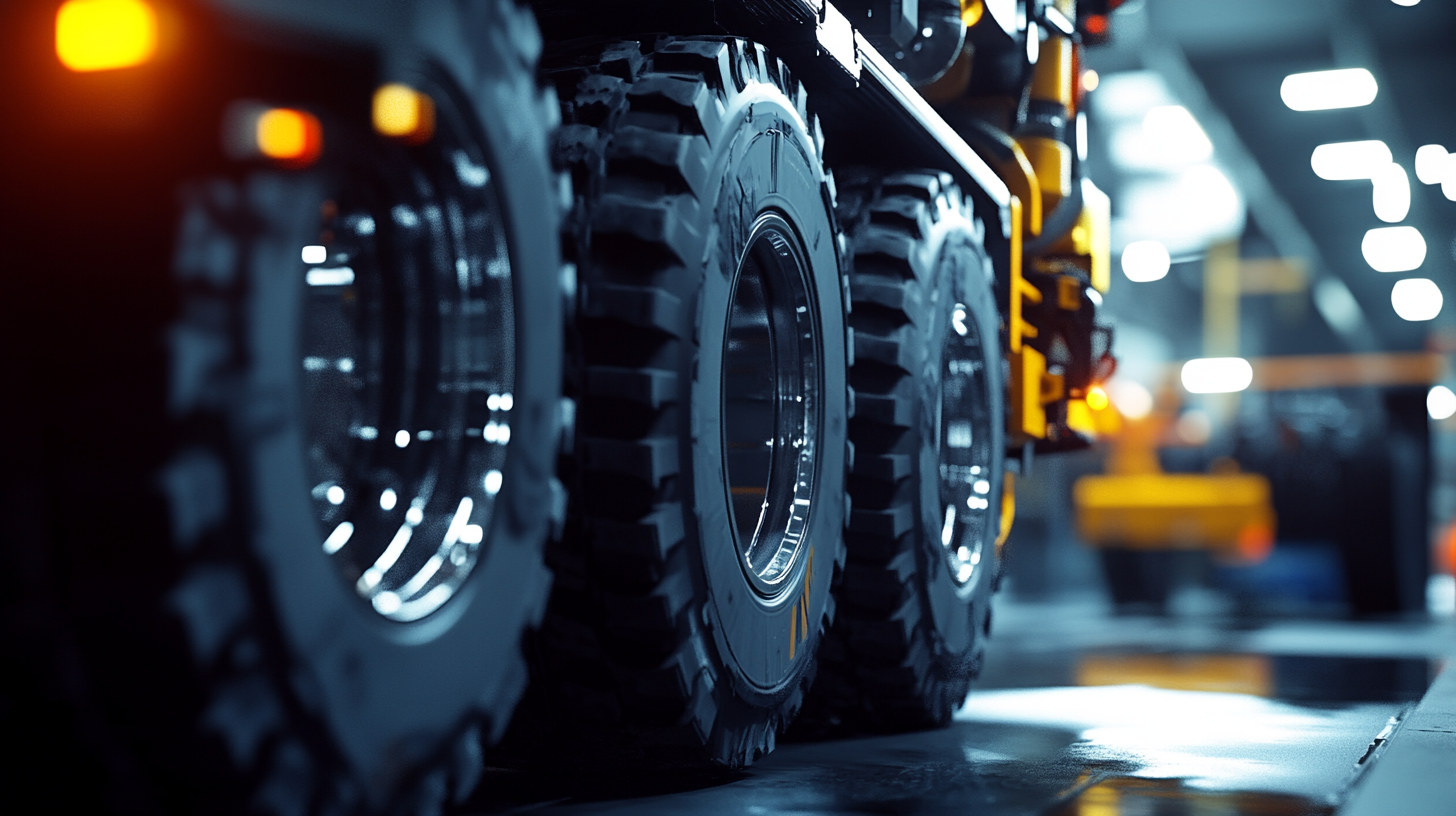
Further, traction truck parts are some of the most indispensable improvements to performance enhancement, if the road to progress must be followed through the challenges brought about by the ever-changing facets of the industry. Traction truck parts affect the efficiency and effectiveness of vehicles in operating under various conditions and terrains. Damage and malfunction cause notable harm to vehicles because of the loss of efficiency and effectiveness. The latest advancement in tire technology, seen with Cooper Tire's new WORK Series offerings, proves that tires can make much difference regarding traction when used for Class 4-6 trucks. Designed to meet the ever-increasing requirements of various driving conditions, these tires offer proof that a right member can make a significant impact. The winter tire market has been further complicated by all-weather tyreshoving up the competition among winter one. Hence, this has created a dire need for effective traction solutions. Improving traction motors in electric vehicles (EVs) contributes to improving the entire vehicle. Better electrical and mechanical features are necessary to increase traction and to ensure that today's demanding drivers have the high performance they expect from these vehicles. By concentrating efforts within these two areas, common challenges faced in the industry can be overcome to promote vehicle performance toward optimal levels for better and safer transportation solutions.
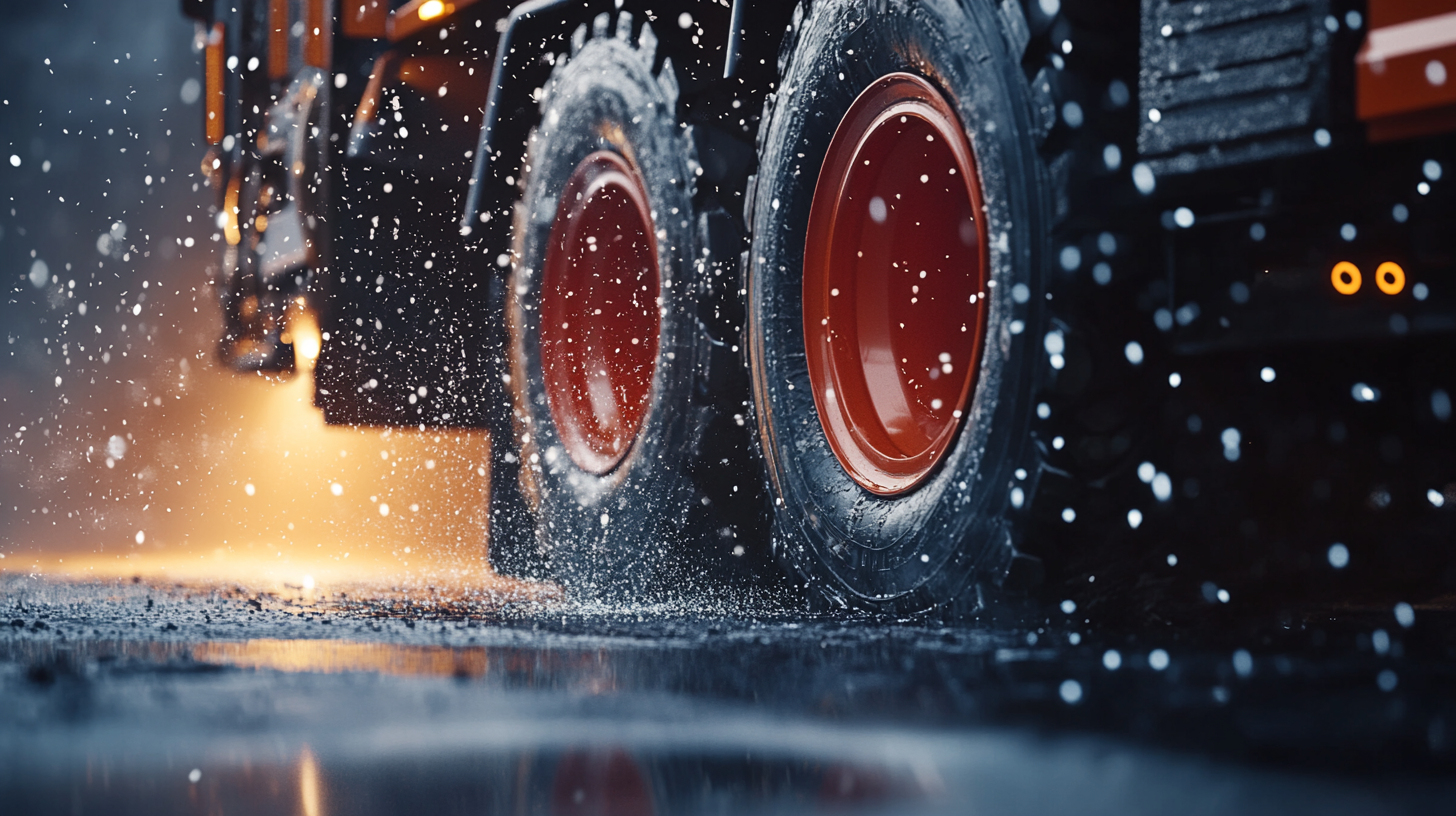
Traction heavy-duty vehicles are engineered for performance and efficiency based on some specific detailing in their core functions. One of the most paramount is the drivetrain, which discharges the significant function of power delivery from the engine to the wheels. Optimizing the drivetrain is one of the powerful improvement affecting acceleration, towing capability, and fuel efficiency for an operator's lower costs while delivering tight transport schedules.
Another disadvantage of such hardware is the braking system. By introducing modern braking technologies such as regenerative braking, stopping capability safety improves and also benefits energy recovery, making it more effective in terms of the overall performance of the vehicle. The introduction of lightweight materials into traction truck parts also greatly levers their weight distribution and aerodynamics, thus improving the consumption rate of the units and emissions.
In addition, high-end suspension systems require mention, as they also play a vital role in maintaining the stability and control of the load they bear. Investing in good-quality suspension components gives fleet operators an advantage in wear and tear on the truck as well as its cargo, thereby extending the operational life of both vehicles. The optimization of each of these components will have a ripple effect of benefits, not only improving performance but also addressing some of the many common challenges in the industry, including maintenance costs and operational efficiency.
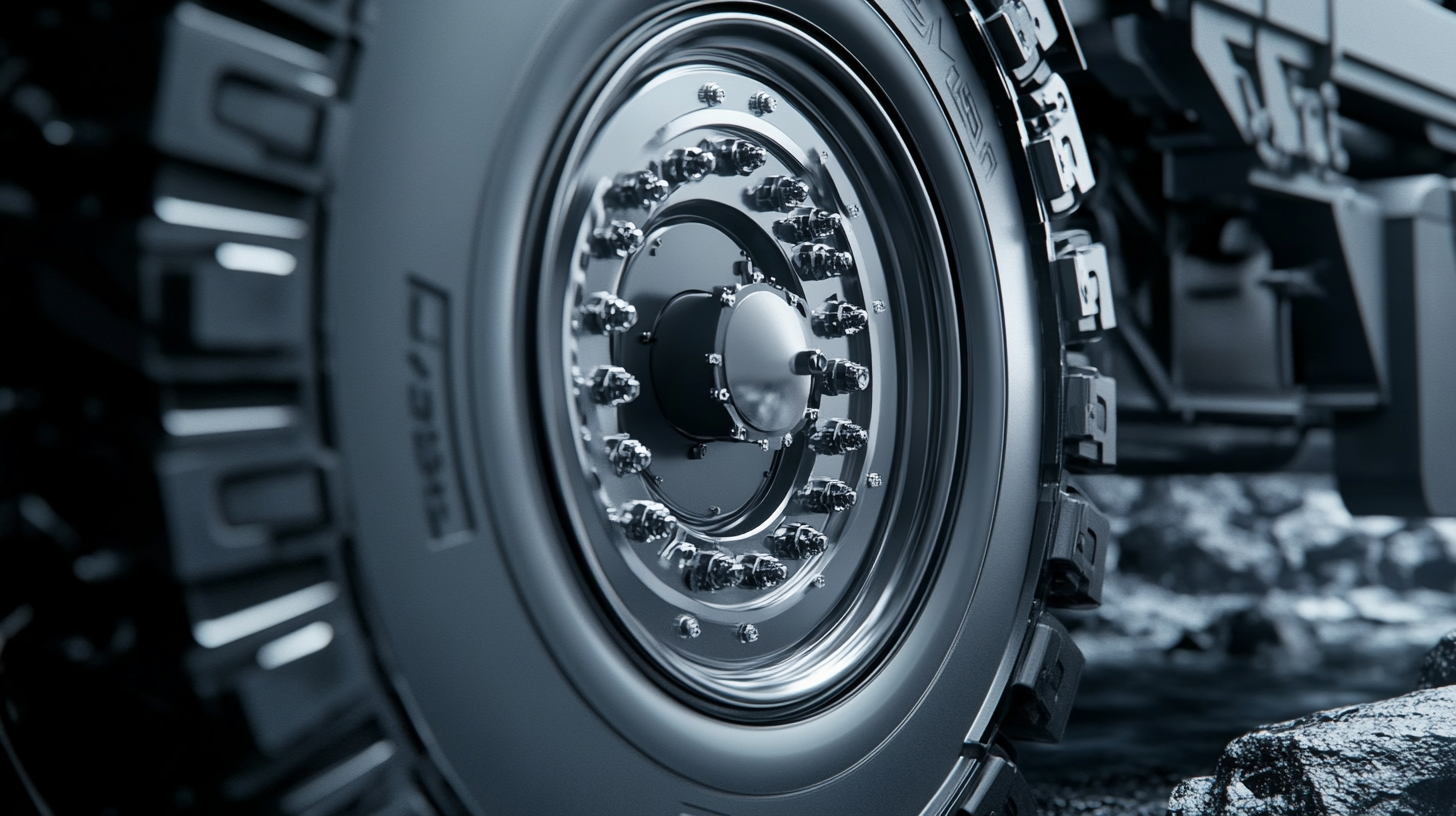
From rough operating conditions to maintainability ultimately, the traction truck industry faces many challenges that threaten performance and efficiency. One prominent aspect of consideration is wear and tear on critical components that fulfill their application under harsh operating conditions. It has been estimated by the American Trucking Associations that about 70% of the maintenance costs of traction trucks are attributed to component degradation. That stresses the need for the optimization of truck parts and greater resilience to fatigue with more uptime.
Another commonly faced challenge includes fuel-efficiency need and emission-reduction requirements. The U.S. EPA has established stringent regulations within which trucks are expected to accomplish a significant reduction in greenhouse gas emissions by 2027. This spurred the manufacturers to innovate new technologies and materials that not only enhanced performance but also conform to these regulations. One such application is lightweight composite materials, which are studied for their potential in increasing traction truck efficiency and fuel consumption reduction by about 15% as described by the Society of Automotive Engineers.
The application of advanced technology, however, also proves itself to be a double-edged sword. The convergence of automation and telematics into the trucking business provides better fleet resource management but requires hefty capital to be spent upfront. According to a Trucking Industry Association survey, 45% of the companies see the cost of implementing technology as a major barrier that hinders their operational capabilities from being optimized. Prominent will be the development of innovative solutions to solve these problems as the industry changes in order to remain competitive and enhance the highly needed performance of traction trucks.
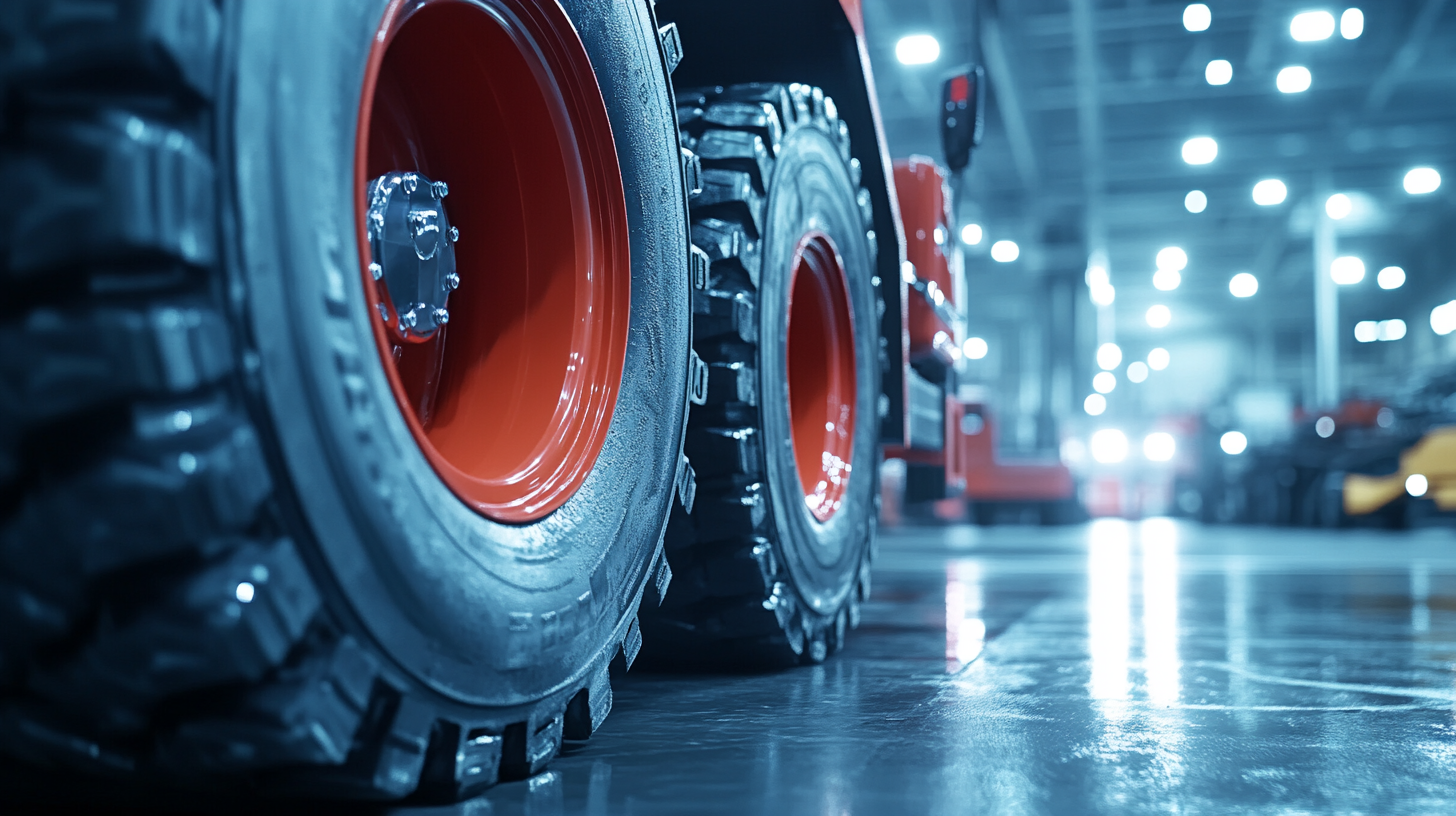
Innovative materials are a major contributor to performance enhancement and resolution of formidable challenges confronted by the industry concerning optimal manufacture of traction truck parts. Application of advanced materials like lightweight alloys and composites increases traction trucks within an aspect of efficiency and durability. These modern materials are advantageous in two things: one, reducing the overall weight of the components so as to enhance fuel efficiency; and two, providing strength and resistance required in confronting varying and unfriendly working conditions customarily met in the trucking industry.
Besides, advanced materials contribute to improved safety features and reduced maintenance costs in traction truck parts. Seals and gaskets, for example, can be made out of high-performance polymers that resist wear and tear while maintaining their performance for extended periods. This extends the functional life of the part, keeps the downtime for repairs to a minimum, and is especially important for operators who seek to maximize productivity.
Moreover, the continual development of manufacturing techniques such as 3D printing and additive manufacturing allows the production of complicated designs that were not possible before. These technologies allow the production of customized parts, allowing the optimization of performance based on specific operational needs. By utilizing innovative materials combined with advanced manufacturing, manufacturers overcome traditional challenges in the industry, thus leading to more efficient yet reliable traction trucks that are able to fit present-day logistics.
Optimizing maintenance practices is the key in ensuring performance and durability in traction trucks. Regular and proactive inspections can really improve the general performance of these trucks. One way is to plan a detailed maintenance schedule, based on recommendations supplied by manufacturers and the industry best practice: routine assessments of major key components, like brakes, tires, and engine systems, will then be able to give out early discoveries of problems before it gets worse and turns into expensive repairs.
Personnel training on the latest maintenance practices and technologies is another important aspect of optimizing maintenance practice. Investments in continuous education for mechanics and operators help them gain an understanding of traction truck systems and the most efficient maintenance practices. For example, imparting knowledge to staff on the latest diagnostic tools accelerates troubleshooting and makes trucks available for service in the shortest possible time, thus creating an improved overall efficiency.
Data analytics can take maintenance practices to the next level. Tracking performance metrics and maintenance history helps fleets see where patterns emerge to indicate when parts may be due for replacement or service. This by-the-numbers approach also saves time and money, increasing decision-making power for making informed decisions about inventory management and what parts will be on the shelf when needed and the companies can face industry challenges as much as they can improve the reliability and efficiency of traction trucks in a way.
It is important to measure performance degrees in traction truck systems because it works for proper functionality and life span. Performance degrees are readily considered in form of KPIs, where key indicators such as traction efficiency, fuel consumption rates, and maintenance intervals are available for consideration as data against which to measure overall system performance. Most manufacturers and fleet operators assess performance improvement areas based on these metrics, thus improving performance and reliability.
One of the most critical KPIs is traction efficiency. It shows how successfully a truck converts propulsive engine power into forward motion. The major parameters affecting this performance degree are tire quality, load distribution, and driveline configuration. Availing trends based on regular assessments informs strategies for adjustment at which better handling at increased speed is achieved while less part wear occurs. Further, consideration of fuel consumption is in line with sustainability while being cost-effective by working out better routes to ensure lower operational costs.
Maintenance intervals also contribute significantly to performance evaluation. The operators, therefore, can keep track of the count and types of maintenance correlated to a given truck. Timely repair activities may, thus, be undertaken by covering potential rejections early in their cycle before they develop into repair costs. Maintenance following data from historical performance metrics will be efficient in regard to less downtime and enhanced life of traction truck components. This comprehensive approach to measuring performance boosts efficiency, but also instills a culture of continuous improvement into the industry.
Collaboration Emerges as a New Technology in the Traction Truck Segment of the Automotive Industry to Solve Joint Problems. Examples include Incode's recent B Round, from where an investor made $220 million, a figure that represents financial support in taking innovation to drive companies to face industry challenges. Pooling resources eases some of the problems experienced by companies, for example, supply chain disruptions and technology integration, and encourages a sense of community.
Industrial AI also has its challenges as it pertains to advanced scenarios for which adaptation is becoming compulsory. Organizations are jointly focusing their efforts towards finding pathways to overcome this hurdle through projects that aim to refine techniques for the adjustment of data and reduction of AI hallucinations. The joint efforts making the models better would also turn out effective applications across industries, including manufacturing for traction trucks.
The rise of collaborative robots (cobots) also shows how much human talent can be combined with machine accuracy. Thus, companies can boost their performance with such techniques while cutting costs and increasing safety in the process. This collaboration shows the power of shared innovation in which stakeholders come together to create solutions that ultimately benefit everyone in the industry and reinforces the tenet that common challenges are best tackled through collective action and strategic partnerships.
Several emerging trends are poised to reshape the landscape as the traction truck parts industry continues to evolve. Innovations in materials and design are spearheading a push for enhanced durability and performance. The Automotive Aftermarket Suppliers Association (AASA) has stated that advanced composite materials will reach a market growth rate of over 15% annually through 2025. The lightweight and strong components made from such composite materials directly contribute to fuel efficiency and improved overall performance of traction trucks.
Along with materials, the use of smart technologies is one of the critical areas for future innovations. It is likely that IoT (Internet of Things) integration into traction truck parts becomes standard. Market Research Future recently presented a report estimating growth for the smart vehicle market worth $200 billion by 2025 in connected vehicle technology. Such advancements allow for real-time truck performance monitoring, predictive maintenance, improved safety features, and therefore, enhanced operational efficiency.
In addition, sustainability is growing in importance in the industry. The recent shift towards eco-friendly practices is backed up by a report from the World Economic Forum stating that more than 60% of manufacturers wish to invest in green technologies within the next few years. Innovations like electric traction trucks and renewable material sourcing will not just be trends for sustainability, but rather concepts that are essential for compliance with stringent regulatory standards and consumer expectations. Meeting such sustainability goals is expected to open avenues to long-term growth and a more responsible industry.
The main challenges include wear and tear on critical parts, the need for fuel efficiency and reduced emissions, and the integration of advanced technology.
Approximately 70% of maintenance costs in traction trucks can be attributed to component degradation.
The EPA has set stringent regulations that require trucks to achieve significant reductions in greenhouse gas emissions by 2027, prompting manufacturers to innovate new technologies and materials.
Lightweight composite materials and advanced alloys are being explored to improve efficiency and potentially enhance fuel consumption by up to 15%.
A survey found that 45% of companies consider the cost of technology implementation as a major barrier to optimizing operational capabilities.
Advanced materials, such as lightweight alloys and high-performance polymers, improve efficiency, durability, safety features, and reduce maintenance costs.
3D printing allows for the creation of more complex and custom parts that optimize performance tailored to specific operational needs.
High-performance polymers resist wear and tear, prolong the lifespan of components like seals and gaskets, and minimize downtime for operators.
Reducing component weight improves fuel efficiency, which is crucial for meeting regulatory requirements and operational cost management.
Innovative materials enhance the resilience and efficiency of parts, allow for better safety features, and contribute to reduced maintenance downtime, improving overall performance in the traction truck industry.